
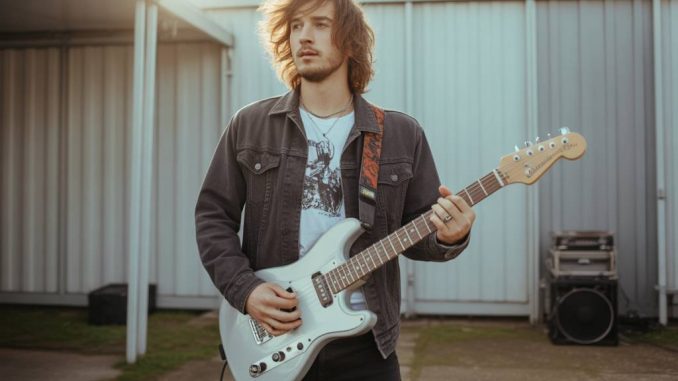
Let’s be honest: half the time we remember a band, it’s not just because of the music. It’s the image. The silhouette you spot from the back of a sweaty room. The jacket you can’t forget three years later. The guy who looked like he’d just crawled out of a rehearsal cave and still somehow owned the stage.
If you’re in a band (or dressing like you should be), what you wear is part of the show. It doesn’t need to be theatrical or expensive, but it does need to feel like you. Whether you’re playing a cramped garage, a tiny bar, or finally scoring that festival slot, your outfit should match the energy of the music and the setting.
Let’s walk through rock band outfit ideas for men that work everywhere from first rehearsal to festival main stage — without looking like you raided a costume shop called “Generic Rocker.”
Dialing in your rock identity (before you open your closet)
Before we talk jackets and boots, one small question: what kind of rock are we talking about?
You don’t have to fit neatly into a genre box, but your clothes should echo your sound. A few quick vibes:
- Garage / Punk rock: Raw, loud, a bit chaotic. Think beat-up sneakers, band tees, thrifted denim, DIY details.
- Indie / Alternative: Slightly artsy, laid-back. Vintage shirts, interesting textures, straight-leg jeans, maybe some color.
- Classic / Hard rock: Structured, bold. Leather jackets, fitted jeans, boots, graphic tees, metal accessories.
- Psychedelic / Experimental: Eclectic and visual. Patterns, prints, velvets, flares, statement shirts.
No need to overthink it. Just keep this in mind: your outfit should look like your sound would, if it were clothing.
Garage & rehearsal outfits: low-key, high-attitude
Garage gigs and rehearsals are where your style is born — and tested. You need clothes you can sweat in, jump in, sit on dusty amps in, and not feel precious about.
Think of this as your “default setting” look.
Key pieces for garage nights
- The lived-in band tee
That one T-shirt you’ve worn beyond sense? Perfect. Vintage band tee, old skate brand, or a plain black or white tee that fits you just right. Avoid anything too tight; you want movement. - Denim you’re not afraid to destroy
Straight or slim jeans, dark blue, black, or grey. Rips are welcome if they’re earned, not factory-made-looking. If your jeans can’t handle a beer spill and a quick wipe on a practice rug, they’re too delicate. - Flannel or overshirt
Tie it around your waist, throw it on over a tee, or use it as a makeshift jacket when rehearsal runs late. Checks, muted colors, or even a worn-out work shirt you stole from your dad’s closet. - Beat-up sneakers
Converse, Vans, old skate shoes, or any canvas sneaker with history. High tops if you like a bit more presence around the ankle.
Style tip: Even at this “casual” level, fit is everything. A simple black tee and black jeans can look accidentally iconic if they actually sit right on your shoulders and legs.
Bar gigs & small stages: turning it up a notch
The bar show is where you start to care what you look like from the first row, not just from the drum kit. Lighting is moody, people are close, and there’s probably someone filming on their phone. Time to elevate your look — subtly.
Outfit formula that never fails
- Good black jeans + statement top + solid shoes
Let’s break that down.
- Black jeans with intention
Not the faded “I mow the lawn in these” pair. Something slim or straight that hugs without strangling. A bit of stretch helps if you move a lot on stage. - Statement top
You don’t need sequins (unless you want them), but your top should be more considered than your rehearsal tee.
Some ideas:- A patterned button-up shirt, sleeves rolled, top buttons undone.
- A well-fitted black tee with a bold print or minimal design.
- A long-sleeve Henley in a deep color: burgundy, forest green, charcoal.
- Stage-friendly shoes
Think of them as part of your posture. Leather boots (Chelsea, lace-up, or combat) instantly sharpen your look. Clean sneakers can work too, but avoid neon “gym shoe” energy unless that chaos is your brand.
Layering for impact
- Denim jacket: Light or dark wash, slightly cropped so it doesn’t swallow you on stage.
- Bomber jacket: In black, olive, or deep burgundy for an effortlessly modern rock feel.
- Workwear jacket: Canvas or twill, with visible pockets and stitching. Adds grit to softer outfits.
These layers are your best friends for arriving, soundcheck photos, and pre-show hangs. You can ditch them mid-set when things heat up — instant drama.
The leather jacket moment (and how not to overdo it)
At some point every rock-leaning man considers a leather jacket. And fair enough — worn right, it’s almost a stage in itself.
How to pick one that doesn’t look like a costume
- Fit first: The shoulders should sit right at your shoulder bone. If you can’t comfortably raise your arms to play guitar or drums, it’s a no.
- Keep hardware minimal: Too many zips and chains can look like you’re auditioning for a tribute act. A classic biker or a simple cafe racer is timeless.
- Matte over shiny: Slightly worn-in or matte leather looks more authentic than plastic-shiny “club jacket” vibes.
Easy combos
- Leather jacket + plain white or black tee + black jeans + boots.
- Leather jacket + patterned shirt (unbuttoned a bit) + dark denim + Chelsea boots.
Wear it like it’s the most normal thing in the world, not like you’re waiting for someone to notice it. That’s the difference between “frontman energy” and “Halloween look”.
Festival stages: visibility, comfort, and weather-proof swagger
Festivals change everything. Suddenly, there’s daylight, bigger distances, unpredictable weather, and a lot more eyes on you. Your outfit needs to:
- Look good from far away and in photos.
- Handle sweat, dust, maybe mud, maybe rain.
- Let you move hard for 45 minutes without wanting to pass out.
Festival-friendly tops
- Lightweight printed shirts: Floral, geometric, retro patterns – worn open over a tank or tee. They move beautifully in the wind and under stage lights.
- Loose tanks or sleeveless tees: Especially if you’re on drums or super active on stage. Just keep armholes reasonable unless you’re ready for full side-torso exposure.
- Textured tees: Slub cotton, waffle knit, washed-out colors. They photograph better than flat, cheap cotton.
Bottoms that handle the long haul
- Slim, not skinny: Very skinny jeans under 30°C sun? Enjoy your suffering. Go for slim or relaxed taper cuts in breathable denim or cotton.
- Black or dark denim: Hides dirt, beer, grass stains, and the fact that you sat on an amp 12 times.
- Stage-ready shorts (if it fits your vibe): Not for every genre, but for punk, indie, or surfy rock, a well-cut pair of shorts can work — think above the knee, solid color, not basketball or gym shorts.
Shoes that survive the battlefield
- Sturdy boots: Combat or Chelsea boots that you don’t mind wrecking. Great for wet or muddy grounds.
- Chunky sneakers: Sporty, but make them intentional — retro running shoes or classic styles. Leave the neon gym trainers at home unless irony is part of your act.
Smart festival layering
- Lightweight statement jacket: A patterned bomber, a denim jacket with patches, or a thin military-style jacket. Easy to throw on if the sun dips.
- Shirt as a layer: Open, tied around the waist, then back on later. Practical and looks nonchalantly styled without effort.
Remember: festivals are visually noisy. A simple way to stand out is to pick one bold element — a patterned shirt, a bright jacket, a striking pair of boots — and keep everything else relatively grounded.
Frontman vs. band: aligning without matching
A band always looks tighter when there’s some visual cohesion, but that doesn’t mean matching outfits like a boyband from 2002.
Think in terms of a shared aesthetic, not identical pieces.
- Frontman: Slightly bolder. Maybe the only one in leather, the only patterned shirt, or the brightest color.
- Guitar/bass: Complement the frontman. If he’s in patterns, you go solid but textured. If he’s in black, you can bring in color or denim.
- Drummer: Maximum comfort. Shorts or breathable pants, sleeveless or light top. Just keep the colors in the same general mood as the rest.
Language to think in: are we “all dark neutrals with one accent color”? “Vintage denim + leather”? “Mixed prints and 70s flair”? Pick a lane and let each person play their own version of it.
Rock accessories: subtle armor, not decoration overload
Accessories in rock outfits are like guitar effects: a few well-chosen ones can transform everything; too many and it becomes noise.
- Jewelry: Thin silver chains, a couple of rings, maybe a bracelet or two. Avoid the full finger-armour look unless it’s explicitly your image.
- Belts: A good leather belt with a solid buckle can anchor a simple jeans-and-tee combo. Studded belts? They’re back in some circles — just keep the rest clean if you go that route.
- Bandanas & scarves: Around the neck, wrist, hanging from a belt loop, or tied to a mic stand. Instantly adds movement and color.
- Hats: Beanies for winter sets, felt hats or caps for festivals. Just make sure it doesn’t hide your face from the audience the whole time.
Always ask: does this accessory add to the energy of the outfit, or does it look like you emptied your jewelry box and panicked?
Stage-proof styling: movement, sweat, and reality checks
You’re not dressing for a mirror selfie; you’re dressing to work. Test your outfit like it’s a piece of gear.
Do the set test at home
- Raise your arms like you’re playing guitar. Does your shirt ride up too far?
- Squat like you’re adjusting pedals. Do your jeans dig in or threaten to split?
- Jump a bit. Do your shoes feel secure? Laces double-knotted?
- Bend over a drum kit level. Any embarrassing gaping, sliding, or flashing?
Sweat & stains
- Choose darker colors if you sweat a lot — light grey and heavy stage lights are not friends.
- Stay away from stiff, cheap synthetic fabrics that trap heat.
- Bring a spare T-shirt for after the set. Not strictly style, but your future self (and anyone hugging you) will be grateful.
Budget-friendly ways to build your rock wardrobe
You don’t need designer anything to look stage-ready. In fact, some of the best pieces look better once they’ve been lived in.
- Thrift stores & vintage shops: Goldmine for:
- Old band tees.
- Faded denim and jackets.
- Patterned shirts that don’t look like everyone else’s.
- High-street basics: Grab:
- Plain tees in black, white, and a couple of rich colors.
- Slim black jeans that fit well.
- Simple boots you can beat up over time.
- DIY details: Some of the coolest stage clothes are personalised:
- Patches on a denim or workwear jacket.
- Hand-drawn art on a tee or back patch.
- Intentional distressing on a shirt or jeans (go slowly, or you’ll just create accidental shorts).
Rock style was never meant to look like you ordered it all from the same online cart last night. Let it build up over time, show your history, and pick up scars with you.
Bringing it all together: your own signature look
There’s no single correct “rock band outfit” — and that’s exactly the point. The most magnetic artists are the ones who look like they’d dress this way even if nobody was watching.
So as you put your next look together, ask yourself:
- Does this feel like my music sounds?
- Can I actually perform properly in this?
- Is there one element that makes this feel special — a jacket, a shirt, a pair of boots?
- Would I still feel like myself if someone took a photo right now?
From garage rehearsals in battered sneakers to festival stages in sweat-soaked patterned shirts, your clothes are another instrument. They set the tone before you hit the first chord, and they’re part of what people remember when the lights finally go down.
Start with what you already own, tweak, layer, experiment. The best rock look isn’t perfect — it’s lived-in, a little rough at the edges, and completely, unmistakably yours.