


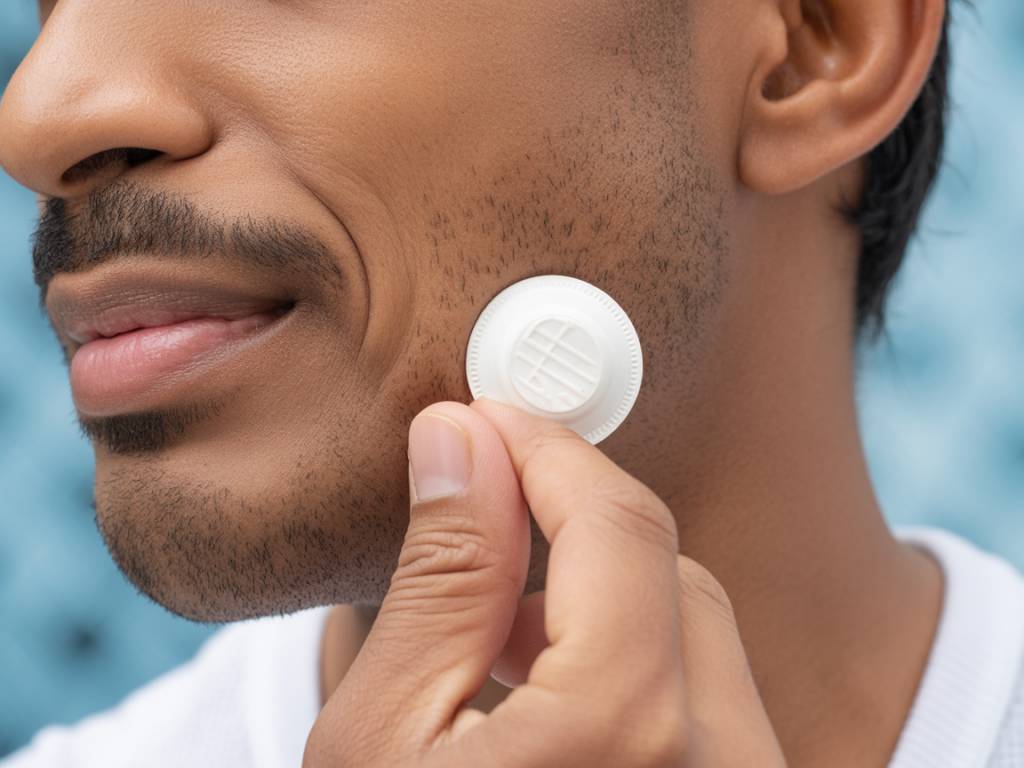
Ingrown hairs are like that one guy at the party who wasn’t invited but still plants himself in the middle of the room, refuses to leave, and somehow becomes everyone’s problem. Red, angry bumps on your neck, jawline, chest, or down there? Not exactly the accessory you had in mind with your crisp white shirt or your tailored suit.
Now here’s the twist: one of the simplest, dermatologist-approved tricks to calm those annoying bumps might already be sitting in your bathroom cabinet — aspirin.
Yes, the same little white pill you reach for after too many drinks or a stressful Monday can also help your skin look smoother, cleaner, and more put-together. Let’s unpack how it works, how to use it safely, and when you should skip it.
What ingrown hairs really are (and why they love your neck)
Before we talk aspirin, a quick reality check: ingrown hairs aren’t a sign that you’re dirty, lazy, or “bad at shaving.” They’re mostly a sign that your hair and your skin have a complicated relationship.
An ingrown hair happens when:
- The hair curls back into the skin instead of growing out.
- Dead skin blocks the follicle, forcing the hair to grow sideways under the surface.
- The hair is cut very short and sharp (hello, razor) and then pierces the skin again.
Result? A small, red, sometimes painful bump that can look suspiciously like a pimple. On darker skin tones, these bumps often leave behind darker spots that linger long after the bump itself has calmed down.
Areas that are constantly shaved or rubbed are the usual crime scenes:
- Neck and jawline (especially if you’ve got curly or coarse hair).
- Back of the neck (barbershop fade, anyone?).
- Chest and stomach.
- Bikini line and groin.
- Underarms.
So, where does aspirin come in? Let’s talk science, but the simple, coffee-friendly version.
Why aspirin actually makes sense for ingrown hairs
Aspirin’s fancy name is acetylsalicylic acid. When it touches your skin, it breaks down into salicylic acid — a beta-hydroxy acid you’ve probably seen in acne products.
Dermatologists like salicylic acid because it does three very helpful things for ingrown hairs:
- It calms inflammation. Aspirin is anti-inflammatory. That means it helps reduce the redness, swelling, and tenderness around the trapped hair.
- It gently exfoliates. Salicylic acid can dissolve the “glue” holding dead skin cells together, helping to clear out the pore so the hair can finally escape.
- It helps unclog pores. It’s oil-soluble, so it can sneak into oily or congested follicles — exactly where ingrown hairs like to hide.
Is it magic? No. Is it a neat, cheap, dermatologist-approved hack to calm the situation while you rethink your shaving routine? Absolutely.
Who should (and should not) try the aspirin hack
Before you start crushing pills like a home chemist, let’s be clear: this isn’t for everyone.
Good candidates:
- Men with occasional ingrown hairs on the neck, jaw, or body.
- Guys with relatively normal to oily skin.
- Those who want a spot treatment, not a full skincare overhaul.
Skip the aspirin trick if:
- You’re allergic to aspirin, ibuprofen, or other NSAIDs.
- You have very sensitive, reactive, or eczema-prone skin.
- The bump is open, bleeding, or looks infected (pus, spreading redness, warmth, or fever = doctor time).
- You’re already using strong exfoliating or prescription products on that area (like retinoids or high-strength peels).
If in doubt, patch test on a small, discreet area first. Your skin will always tell you the truth — if it burns, stings badly, or stays very red, don’t argue with it.
How to make an aspirin paste for ingrown hairs
Think of this as a targeted treatment, not a mask you smear all over your face like a TikTok challenge.
You’ll need:
- 1–2 uncoated aspirin tablets (uncoated dissolves better).
- A few drops of water.
- A clean small bowl or the palm of your hand.
- Cotton swab or clean fingertip.
Step-by-step:
- Clean the area. Use a gentle cleanser and lukewarm water. Pat dry — no rubbing, your skin has seen enough drama.
- Crush the aspirin. Place 1–2 tablets in your palm or a small bowl and crush them with the back of a spoon or your thumb.
- Add water slowly. Add a few drops of water and mix until you get a thick paste. Not too runny — you want it to stay in place.
- Apply precisely. Using a cotton swab or fingertip, dab the paste directly onto the ingrown hair bump, not the entire area.
- Leave on for 10–15 minutes. You may feel mild tingling — that’s normal. Burning, intense stinging, or heavy redness is your cue to rinse immediately.
- Rinse gently. Use lukewarm water and pat dry with a clean towel.
- Finish with something soothing. A lightweight, fragrance-free moisturizer or aloe vera gel can help keep the skin calm.
How often? Once a day at most, and only for a couple of days in a row on the same spot. If nothing changes after 3–4 days, it’s time to retire the DIY and speak to a dermatologist.
What you should never do to an ingrown hair
This is the part where I sound like your annoyingly sensible friend. Because what most men do with ingrown hairs is almost always the opposite of what dermatologists recommend.
- Don’t dig with tweezers or needles. That late-night “surgery” in front of the mirror? It increases your risk of infection, scars, and dark marks.
- Don’t squeeze it like a pimple. The pressure can push the hair deeper and inflame the surrounding skin.
- Don’t shave over angry bumps. You’re basically taking a razor to an already irritated area — it’s like arguing with someone who’s already furious. No one wins.
- Don’t use harsh scrubs. Those gritty, sandy exfoliants can create micro-tears in the skin, worsening irritation.
If the hair is very close to the surface and you can see it clearly, some dermatologists allow gently teasing it out with a sterile needle or tweezer — but the keyword here is gently, and ideally that’s done by a pro.
What dermatologists say: aspirin vs. real treatment
Here’s the honest part: aspirin is more of a smart, occasional hack than a full treatment plan.
Dermatologists often recommend:
- Regular chemical exfoliation. Products with salicylic acid or glycolic acid used a few times a week can help prevent ingrown hairs long-term.
- Changing your shaving technique. Using fewer passes, shaving in the direction of hair growth, and avoiding stretching the skin too much.
- Switching tools. For some men, electric trimmers (that don’t cut as close) are a game-changer.
- Laser hair removal. For chronic, severe cases, especially around the neck or beardline, laser can be life-changing.
The aspirin trick sits somewhere between “I did nothing” and “I booked a dermatologist appointment.” It’s a low-cost, accessible way to calm the area and reduce inflammation — and yes, many skincare pros give it a cautious thumbs up as long as you’re not overdoing it.
How to stop ingrown hairs before they start
You know that saying “an ounce of prevention is worth a pound of cure”? Ingrown hairs were basically the reason it was invented.
If you’re tired of neck bumps clashing with your sharp fits, here’s how to keep them to a minimum.
1. Prep your skin before shaving
- Shave after a warm shower when the hair is softer.
- Use a gentle cleanser to remove oil and sweat first.
- Apply a shaving gel or cream — skip the dry shave unless you enjoy suffering.
2. Upgrade your technique
- Shave in the direction of hair growth, especially on the neck.
- Use short, light strokes — no pressing the blade like you’re trying to erase the skin.
- Rinse the blade often to avoid dragging buildup across your skin.
3. Don’t go baby-smooth if your skin hates it
- If you’re prone to ingrown hairs, leaving a tiny bit of stubble can help.
- Try an electric trimmer that cuts close but not too close.
- Experiment with shaving every other day instead of daily.
4. Exfoliate — but gently
- Use a chemical exfoliant (like a salicylic acid toner or lotion) 2–3 times per week on problem areas.
- If you love a scrub, keep the grains very fine and don’t attack your skin like it owes you money.
5. Moisturize afterward
- Use a lightweight, non-comedogenic moisturizer or aftershave balm.
- Avoid strong fragrance if your skin tends to react.
Think of this as grooming with strategy rather than just routine. Your future shirts, dates, and close-up selfies will thank you.
Neck, beardline, and body: tailoring the hack to each area
Not all ingrown hairs are created equal, and the way you treat them might vary slightly depending on where they show up.
On the neck and jawline
- Great area for the aspirin paste — the skin is usually a bit tougher than, say, the groin.
- Keep your application precise. You don’t want aspirin all over freshly shaved skin.
- Follow with a calming, alcohol-free aftershave or moisturizer.
On the chest or stomach
- These areas can handle aspirin paste well, but don’t cover huge zones at once.
- If you’re shaving or trimming your chest, be extra careful with the direction of growth — hair can grow in several directions here.
On the bikini line or groin
- The skin here is more sensitive. Patch test first.
- Use less aspirin, more water — make a milder paste.
- If it stings more than mildly, rinse off immediately.
Underarms
- These areas are often already irritated by friction and sweat.
- Don’t use aspirin paste right after shaving or right before a workout.
- Give the skin time to recover, and avoid layering strong deodorants over recently treated skin.
What to watch for: when aspirin isn’t your friend
A little honesty between friends: just because something is “dermatologist-approved in theory” doesn’t mean it will behave like an angel on your particular skin.
Stop using the aspirin paste and rinse thoroughly if you notice:
- Intense burning, stinging, or pain.
- Persistent redness or swelling that gets worse.
- Dry, peeling, or cracking skin around the treated area.
And skip it entirely if you:
- Have a known aspirin allergy.
- Have asthma that’s triggered by aspirin or NSAIDs.
- Are already using multiple exfoliating products — over-exfoliation is a very real thing.
If bumps are very painful, keep spreading, or start oozing, this is not a DIY situation anymore. That’s your cue to let a professional step in.
Turning grooming into an upgrade, not a chore
There’s something quietly powerful about a man who looks put-together up close. Not just from across the bar or in a carefully cropped photo, but in real life — collar open, jawline visible, skin smooth enough that you don’t feel the urge to scratch your neck every five minutes.
The aspirin hack won’t turn you into a skincare influencer overnight, and it’s not meant to. Think of it as a smart little tool in your grooming kit: cheap, accessible, backed by actual science, and easy to use when a rogue bump shows up on your otherwise clean canvas.
Pair it with better shaving habits, a bit of gentle exfoliation, and a calmer approach to your skin, and you’ll start noticing the difference — fewer bumps, less irritation, and a neckline that doesn’t betray how rushed your morning was.
Because in the end, style isn’t just about what you wear. It’s also about what happens when the shirt comes off, the tie is loosened, or someone leans in close enough to see more than your outfit. And trust me — a smooth, well-treated jawline says a lot.