


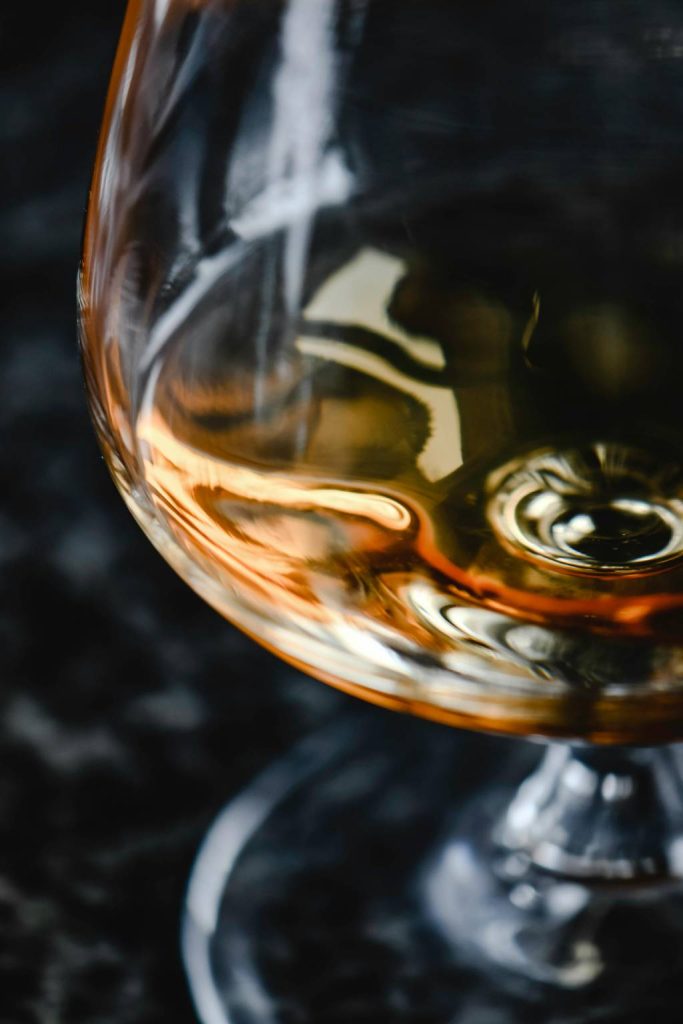
From Vineyards to Cellars: The Origins of Cognac
Cognac begins its life in a very specific corner of France. Only eaux-de-vie produced within the legally defined Cognac region, following strict rules, can carry this prestigious name. Located in the southwest of France, north of Bordeaux, this region offers a unique combination of climate, soil, and traditional know-how.
The official production area is divided into several crus, each contributing different characteristics to the final spirit:
- Grande Champagne – Not related to sparkling wine, this cru is renowned for producing the most elegant, long-ageing eaux-de-vie, with great finesse and floral notes.
- Petite Champagne – Slightly less chalky soil than Grande Champagne, but still ideal for delicate, complex eaux-de-vie.
- Borderies – The smallest cru, famous for round, nutty, and violet-scented spirits that age beautifully.
- Fins Bois – Surrounds the central crus and gives fruity, supple eaux-de-vie that mature faster.
- Bons Bois & Bois Ordinaires – Coastal or more peripheral areas, producing robust, rustic spirits often used in blends.
Soil composition, especially the presence of chalk, plays a crucial role. Chalky soils retain water and reflect heat, helping grapes ripen slowly and evenly, while preserving the acidity that is essential to high-quality base wine for distillation.
The Grapes Behind the Spirit
Unlike many other spirits, the raw material of cognac is wine made from specific white grape varieties. The most important by far is Ugni Blanc (Trebbiano in Italy). This grape is not particularly impressive as a table wine; however, for distillation it is ideal:
- High natural acidity, which is crucial for stability during fermentation and distillation.
- Low alcohol content (usually 8–10% ABV), which concentrates aromas when distilled.
- Neutral, delicate flavours that evolve into floral and fruity notes in the final spirit.
Other permitted grapes include Colombard, Folle Blanche, and several lesser-known local varieties, but today Ugni Blanc represents the vast majority of plantings due to its disease resistance and consistency.
From Grape to Wine: Harvest and Fermentation
Harvest in the Cognac region typically takes place from late September to October, depending on weather and ripeness. Timing is essential: grapes must be ripe enough to give aromatic juice but still retain high acidity and moderate sugar levels.
Once harvested, grapes are quickly pressed to prevent oxidation. The juice, known as must, goes directly into fermentation tanks. In contrast to table wines, no sugar may be added and no sulphur is used during fermentation. The resulting base wine must remain as natural and “pure” as possible, because it will be distilled.
Fermentation lasts about 5–7 days. Indigenous or selected yeasts convert the must’s sugars into alcohol, producing a dry, acidic white wine:
- Alcohol content: generally between 8% and 10% ABV.
- Aromatics: light, with notes of green apple, citrus, and flowers.
- Structure: high acidity, no oak ageing, no stabilisation.
This wine, though not pleasant to drink as is, is perfectly suited for distillation. It must be distilled by March 31 of the year following the harvest to respect the AOC (Appellation d’Origine Contrôlée) regulations.
The Alchemy of Distillation: From Wine to Eaux-de-vie
The transformation from wine into eaux-de-vie happens in a traditional copper pot still called the alambic charentais. This type of still, with its onion-shaped boiler and swan-neck head, is legally required for cognac production and must be made of copper, which helps purify and refine the spirit.
Distillation takes place in two stages, known as double distillation:
- First distillation – “Brouillis”
The base wine is heated in the pot still. Alcohol and volatile aromas vaporise, pass through the head and coil, and re-condense into a cloudy spirit called brouillis, at about 28–32% ABV. - Second distillation – “Bonne chauffe”
The brouillis is redistilled. During this run, the distiller separates:- The têtes (heads) – the first vapours, too harsh and volatile.
- The cœurs (heart) – the pure, aromatic spirit that will become cognac.
- The queues (tails) – heavier, less refined compounds.
The heads and tails are often redistilled with a new batch of brouillis to recover usable alcohol, while only the heart—usually around 70% ABV—is kept for ageing.
This careful selection of the heart requires exceptional skill and experience. The distiller tastes and evaluates the spirit as it runs off the still, adjusting cuts according to the style desired and the character of each batch of wine.
The Role of Oak: Ageing and Transformation
Freshly distilled eaux-de-vie are colourless, intense, and full of potential. Their transformation into the amber-toned spirit in your glass happens in oak barrels, traditionally from the forests of Limousin and Tronçais. Each region offers different grain structures and tannin levels:
- Limousin oak – Coarser grain, rich in tannins; ideal for powerful, structured cognacs.
- Tronçais oak – Finer grain, more delicate tannins; favours elegance and subtlety.
Barrels are toasted over open flames before use, which helps develop flavours of vanilla, spice, and caramel. The ageing process involves several key phenomena:
- Extraction – The spirit draws tannins, colour, and aromatic compounds from the wood.
- Oxidation – Tiny exchanges of oxygen through the barrel staves soften the eaux-de-vie and develop complex aromas.
- Evaporation (the “angels’ share”) – Each year, around 2–3% of the volume evaporates, slowly reducing alcohol content and concentrating flavours.
Over the years, aromas evolve from fresh fruit and floral notes to dried fruit, spice, roasted nuts, leather, and rancio—a unique, nutty, oxidative character prized in older cognacs. Master blenders use a variety of barrels, from new to very old, to control this evolution and maintain balance.
Blending: Crafting the House Style
Few spirits rely as heavily on blending as cognac. A single bottle can contain dozens, even hundreds, of different eaux-de-vie, from multiple crus and vintages, all harmonised to create a consistent style.
This is the realm of the Maître de Chai (cellar master). Working with an extensive library of ageing eaux-de-vie, the cellar master:
- Selects spirits from different crus (e.g., Grande Champagne for finesse, Fins Bois for fruitiness).
- Chooses components at various ages to build depth and complexity.
- Balances structure, aroma, and texture to reflect the signature of the house.
The result is a blend that remains recognisable from year to year, despite vintage variations. Some houses also produce single-cru or vintage bottlings, but the emblematic style of the region is the carefully assembled blend.
In the midst of this delicate art, the name cognac evokes not just a geographic indication, but a tradition of blending expertise, where each component is chosen and married with precision.
Official Age Categories and What They Mean
Age is central to understanding labels and styles. In the Cognac AOC, the age declared on the bottle refers to the youngest eau-de-vie in the blend. The main official designations are:
- VS (Very Special) – The youngest eau-de-vie is at least 2 years old in oak. Typically fresh, vibrant, and fruit-forward, often used in cocktails and long drinks.
- VSOP (Very Superior Old Pale) – Youngest eau-de-vie is at least 4 years old. More rounded and complex, with more oak influence; versatile for sipping or mixing.
- XO (Extra Old) – Since 2018, the youngest component must be at least 10 years old. These are deeper, richer spirits, with notes of dried fruit, spice, and rancio.
Beyond these, you may encounter terms like “Hors d’Âge,” “Extra,” or age statements (e.g., 20 years). These are typically used for very old blends and indicate a high level of maturity and complexity.
From Cellar to Bottle: Preparing Cognac for the Glass
Before bottling, several finishing steps ensure balance and consistency:
- Reduction – Eaux-de-vie straight from the barrel can be 60–70% ABV. Over time, they are gradually reduced with pure, demineralised water to a typical bottling strength of around 40% ABV.
- Marriage – After blending and reduction, the cognac may rest in large wooden vats for months or even years, allowing the components to integrate fully.
- Fine-tuning – Some houses add a small amount of “boisé” (an oak extract) or caramel colouring to adjust colour and harmonise batches, always within legal limits.
Once bottled, cognac stops ageing. Unlike wine, it will remain stable, preserving the character created in the cellar. Proper storage away from light, heat, and drastic temperature changes helps maintain quality over time.
How to Taste and Enjoy Cognac
Understanding how cognac is made enhances the way you drink it. Its complexity deserves attention, whether you enjoy it neat, on ice, or in cocktails.
For a neat tasting experience:
- Use a tulip-shaped glass that narrows towards the top to concentrate aromas.
- Pour a small measure and let it rest a few minutes; this allows volatile alcohols to dissipate and deeper notes to emerge.
- Nose gently, in short inhalations, then take small sips, letting the spirit coat your palate.
High-quality VS and VSOP cognacs shine in cocktails, where their fruit and spice complement ingredients like citrus, ginger, or vermouth. XO and older expressions are generally best appreciated neat, or with a splash of water to open up the bouquet.
Why Terroir and Craft Matter in Cognac
From its humble beginnings as tart white wine to its final form as a luxurious spirit, cognac is a product of both nature and culture. The chalky soils of the region, the disciplined choice of grape varieties, the rigour of double distillation, and the patience of long ageing in oak all shape its identity.
Equally important are the human hands and senses guiding every stage. The decisions of growers, distillers, and cellar masters—when to harvest, how to cut the distillation, which barrels to use, how to blend—determine the style and personality of each bottle.
In every glass, you taste not only the grapes and the place they come from, but also the accumulated expertise of generations. Understanding this journey, from grape to glass, turns each sip into an exploration of time, terroir, and craft.