
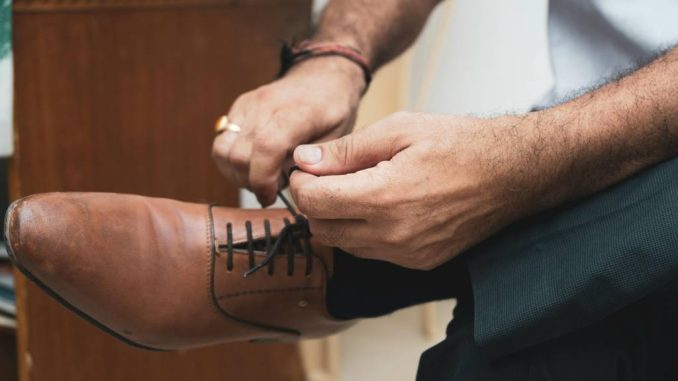
Elevator shoes have become an increasingly popular choice for men and women who want to gain a few extra centimeters in height without compromising style. Designed with a discreet internal lift, these shoes offer a natural-looking boost while maintaining the appearance of classic footwear. But like any well-made pair of shoes, they need proper care to stay comfortable, look sharp, and perform well over time.
Whether you wear your elevator shoes every day or only on special occasions, a good maintenance routine can make a significant difference. The right cleaning habits, storage methods, and usage practices will help preserve the structure of the insole, protect the outer materials, and extend the life of the sole. If you invest in quality footwear, it makes sense to protect that investment.
Brands such as Mario Bertulli, a European specialist in height-increasing footwear since 1972, have helped shape the category with a focus on craftsmanship, discreet elevation, and modern comfort. Their collections include business shoes, casual sneakers, boots, sandals, and women’s models, all designed to blend style with a hidden lift. With newer models featuring lighter construction, improved walking mechanics, and enhanced durability, proper care becomes even more important to ensure long-term performance.
Why elevator shoes need special attention
At first glance, elevator shoes may seem no different from standard shoes. However, their internal structure is more complex. The integrated insole, elevated heel support, and specially designed sole all work together to create height while maintaining balance and a natural stride. This internal architecture means that ordinary shoe care advice is not always enough.
Because the shoe includes a concealed lift, pressure is distributed differently from a regular pair. Over time, neglecting cleaning or wearing them in unsuitable conditions can affect comfort and durability. Moisture, dirt, and repeated stress may weaken adhesives, deform the insole, or damage the upper material. Taking care of your elevator shoes is therefore not just about appearance; it is also about preserving their ergonomic function.
High-quality elevator shoes, especially those made with refined leather or technical materials, can last for years if maintained properly. The goal is to protect both the visible exterior and the hidden structure inside.
Start with the right daily habits
The best way to extend the life of any pair of shoes is to treat them well from the first wear. With elevator shoes, a few simple habits can reduce unnecessary wear and help them keep their shape.
First, avoid wearing the same pair every day. Rotating between two or more pairs gives the materials time to rest and recover. Leather especially benefits from a break between uses because it can release moisture and regain its natural structure. If you wear your elevator shoes daily, alternating pairs is one of the most effective habits you can adopt.
Second, always use a shoehorn when putting them on. This prevents the heel area from collapsing or bending excessively. Because elevator shoes often have a reinforced internal lift, forcing your foot into them without assistance can damage the back of the shoe over time.
Third, loosen the laces or fastening system before slipping your feet in. This reduces strain on the upper and helps preserve the shoe’s clean lines. Even on slip-on models, taking a moment to enter carefully can improve longevity.
Finally, avoid using elevator shoes for activities they were not designed for. Running, hiking on rough terrain, or extended exposure to rain and mud can wear them down faster than intended. They are best suited to walking, commuting, social outings, office wear, and other everyday contexts where style and comfort matter.
Clean them regularly and correctly
Cleaning elevator shoes is not complicated, but it should be done with care. Different materials require different approaches, and using the wrong product can cause irreversible damage.
For leather shoes, begin by removing surface dust with a soft brush or dry cloth. Then use a slightly damp cloth to clean the exterior, followed by a leather-specific cleaner if necessary. Once dry, apply a suitable conditioner to keep the leather supple and prevent cracking. A finishing polish can restore shine and add a layer of protection.
For suede or nubuck styles, never use excess water. Instead, use a suede brush to lift dirt and restore the nap. Stubborn marks may require a suede eraser or a cleaner formulated for delicate materials. Always brush gently in one direction to avoid flattening the surface.
For sneakers or fabric-based elevator shoes, a mild soap solution and a soft cloth usually work best. Remove laces and insoles if the model allows it, and clean those components separately. Be careful not to soak the shoe, especially around the sole and internal lift.
After cleaning, let your shoes air-dry naturally at room temperature. Avoid direct heat sources such as radiators, hair dryers, or intense sunlight, as these can warp the sole and damage adhesives. Stuffing the shoes with paper can help retain their shape while they dry.
Protect the hidden lift inside the shoe
The most distinctive feature of elevator shoes is the internal lift, and this is also the part that requires the most thoughtful care. Although the lift is invisible from the outside, it plays a central role in the shoe’s comfort and function.
Try to keep the interior dry whenever possible. Excess moisture from sweat or wet weather can affect both the padding and the structure of the lift. Wearing moisture-wicking socks is a simple way to reduce internal dampness and improve daily comfort.
If the interior begins to develop odor, use a shoe deodorizer designed for enclosed footwear. Products with antibacterial properties can help, but avoid overly aggressive sprays that may leave residue or damage delicate materials. Let the shoes breathe after each use by removing them from closed storage spaces for a few hours.
In some cases, using cedar shoe trees can be beneficial. They absorb moisture, help maintain shape, and reduce creasing in leather uppers. However, make sure the shoe tree fits correctly and does not distort the internal lift.
When inspecting your shoes regularly, pay attention to signs of compression or uneven wear in the sole. If the lift no longer feels stable or the balance seems off, it may be time to consult the brand or a professional cobbler familiar with elevated footwear.
Choose the right care products
Not all shoe care products are suitable for elevator shoes. The ideal products depend on the material, the finish, and the type of sole. Using high-quality, compatible products is one of the most effective ways to preserve both appearance and function.
For leather models, invest in a neutral cream, a nourishing conditioner, and a polish that matches the shoe color. Neutral products are especially useful if you own several pairs and want a flexible maintenance routine. A soft horsehair brush is also essential for removing dust and distributing polish evenly.
For casual models and sneakers, a gentle cleaner and a microfiber cloth are often enough. Waterproofing sprays can be useful, but always test them on a small area first, especially if the shoe has mixed materials.
For suede, use a protective spray before the first wear. This creates a barrier against moisture and stains. Reapply regularly, especially during wet or cold seasons.
If you are looking for height increasing shoes that combine a discreet lift with comfort-focused construction, product quality should go hand in hand with maintenance. Even advanced designs benefit from proper aftercare, especially if they are worn frequently.
Store elevator shoes the right way
How you store your shoes can be just as important as how you clean them. Poor storage conditions can lead to deformation, discoloration, mold, or unpleasant odors. A few simple precautions can keep them in excellent condition between wears.
Keep your elevator shoes in a cool, dry place away from direct sunlight. Heat and humidity can damage both the outer material and the inner lift. If possible, store them in dust bags or their original boxes to shield them from dirt and light exposure.
Never leave them crumpled in a pile near the door or tossed into a gym bag. This can crush the heel area and distort the structure. Instead, place them upright and, if possible, insert shoe trees or tissue paper to maintain shape.
If you live in a humid climate, consider using silica gel packets or another moisture-absorbing solution inside the storage area. This helps prevent mold and extends the life of the lining and sole.
During long periods of non-use, it is wise to inspect the shoes every few weeks. Remove them from storage, air them out, and check for early signs of cracking, glue separation, or odor buildup.
Mind the weather and seasonal use
Weather conditions have a major impact on shoe longevity. Rain, snow, and salt can all shorten the lifespan of elevator shoes if they are not properly protected.
In wet conditions, it is best to wear models designed for outdoor use or seasonal collections that are better suited to the climate. Some brands, including Mario Bertulli, offer seasonal options such as boots and sandals, allowing wearers to choose footwear adapted to the time of year.
If your shoes get wet, dry them slowly and naturally. Never place them directly beside a heater. Instead, remove the insoles if possible, wipe away excess water, and let them dry at room temperature. Once dry, condition the material if needed to restore softness.
In winter, road salt can stain leather and weaken finishes. Wipe shoes down after exposure and apply a protective cream or spray before the season begins. In summer, perspiration becomes the main concern, so breathable socks and regular airing are key.
Changing your shoe care routine according to the season is a smart way to keep elevator shoes looking polished and feeling comfortable year-round.
Know when to repair instead of replace
Even the best shoes will eventually show signs of wear. The advantage of quality elevator shoes is that many issues can be repaired if caught early.
Common problems include worn outsoles, separated seams, fading color, and compression in the interior lift. If you notice these signs, act quickly rather than waiting until the damage becomes severe. A skilled cobbler may be able to replace the sole, reinforce stitching, or refresh the upper material.
For premium shoes, repairs are often more economical than replacement, especially when the upper remains in good condition. In some cases, sole refurbishment can restore both appearance and comfort, allowing you to continue wearing the shoes confidently.
It is also worth contacting the manufacturer if you suspect a structural issue. Brands with a strong customer service culture often provide guidance, replacement parts, or repair recommendations. This is particularly valuable for specialized footwear with hidden internal features.
Build a long-term care routine
Making elevator shoes last longer is less about one major action and more about small, consistent habits. A routine helps preserve the materials, protect the lift, and maintain the polished look that makes these shoes so versatile.
A practical routine might include the following:
- Brush off dust after each wear
- Allow shoes to air out before storing them
- Use a shoehorn every time you put them on
- Rotate pairs to prevent overuse
- Apply protective spray or conditioner according to material
- Inspect soles and seams regularly for early signs of wear
- Store them in a dry, ventilated place
These habits do not require much time, but they can significantly extend the usable life of your shoes. Over weeks and months, the results become obvious: better shape retention, stronger materials, and a more comfortable fit.
Why proper care improves comfort and confidence
Elevator shoes are often chosen for the confidence they provide, but comfort is just as important as height. When shoes are well maintained, they support a more natural walking experience, reduce discomfort, and help the wearer feel secure throughout the day.
That is especially relevant for brands that invest in advanced construction. Mario Bertulli, for example, has spent decades refining its approach to discreet lift footwear, combining Italian craftsmanship with innovations such as lightweight design, improved walking mechanics, and enhanced durability. When a shoe is built to perform well, caring for it properly allows that performance to last longer.
The better the maintenance, the more reliable the experience. Clean shoes feel fresher, well-kept soles provide better grip, and preserved uppers continue to look elegant in professional and social settings. In other words, care is not just about preserving an object; it is about protecting the way the shoes support your daily life.
With the right routine, your elevator shoes can remain discreet, comfortable, and stylish for a long time. That means fewer replacements, better value, and a consistently polished appearance whenever you step out the door.